How to Import Vending Machines from China: Step-by-Step for Distributors
Ordering machines from China is straightforward once you know the steps: quote, contract, payment, production, shipping, customs and delivery. Here is the full process.
If you are a distributor who has never imported from China, the first order feels like a maze: quotes in different currencies, a factory you have never visited, shipping terms you have never used, and a customs form that asks for codes you do not know. The good news is that the process is the same every time, and once you have done it once, the second order is routine. This guide walks through the whole process in order, so you know what happens at each step, what documents you need, and where first-time importers usually lose time or money.
The factory in this guide is VFresh Supply, the export channel for the VFresh intelligent equipment base in Foshan, China, run by Foshan Weixianwu Internet Service Co., Ltd. The factory covers 37,700 square metres, holds 700+ patents and software copyrights, is certified to ISO9001, and its machines carry CE and RoHS. Products are sold in 80+ countries. The minimum order quantity is 1 unit, and buyers pay by international bank transfer (T/T) or through Alibaba.
Step 1. Define what you need before you ask for a price
Do not start by asking “how much is a vending machine?” A factory cannot quote that question, and the answer you get will not be the machine you need. Write down, in one page:
- What the machine will sell — snacks, drinks, fresh food, perfume, protein shakes, helmet cleaning — and where it will stand.
- How many units you need now, and how many you expect to order in the next year.
- Your country, city and the voltage and plug type used there.
- Which payment methods your customers use — cash, card, QR code.
- What language the screen and the software should use.
- Your target delivery date, and whether the site is ready.
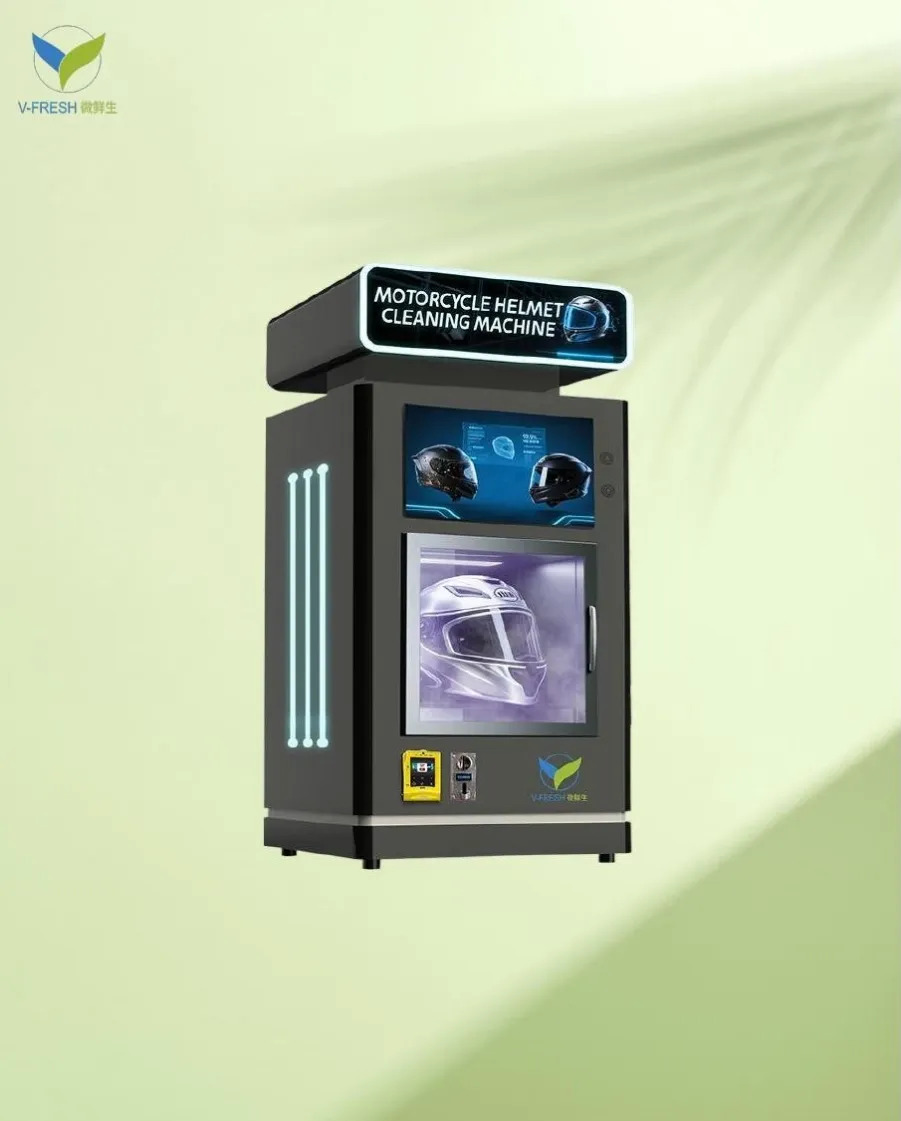
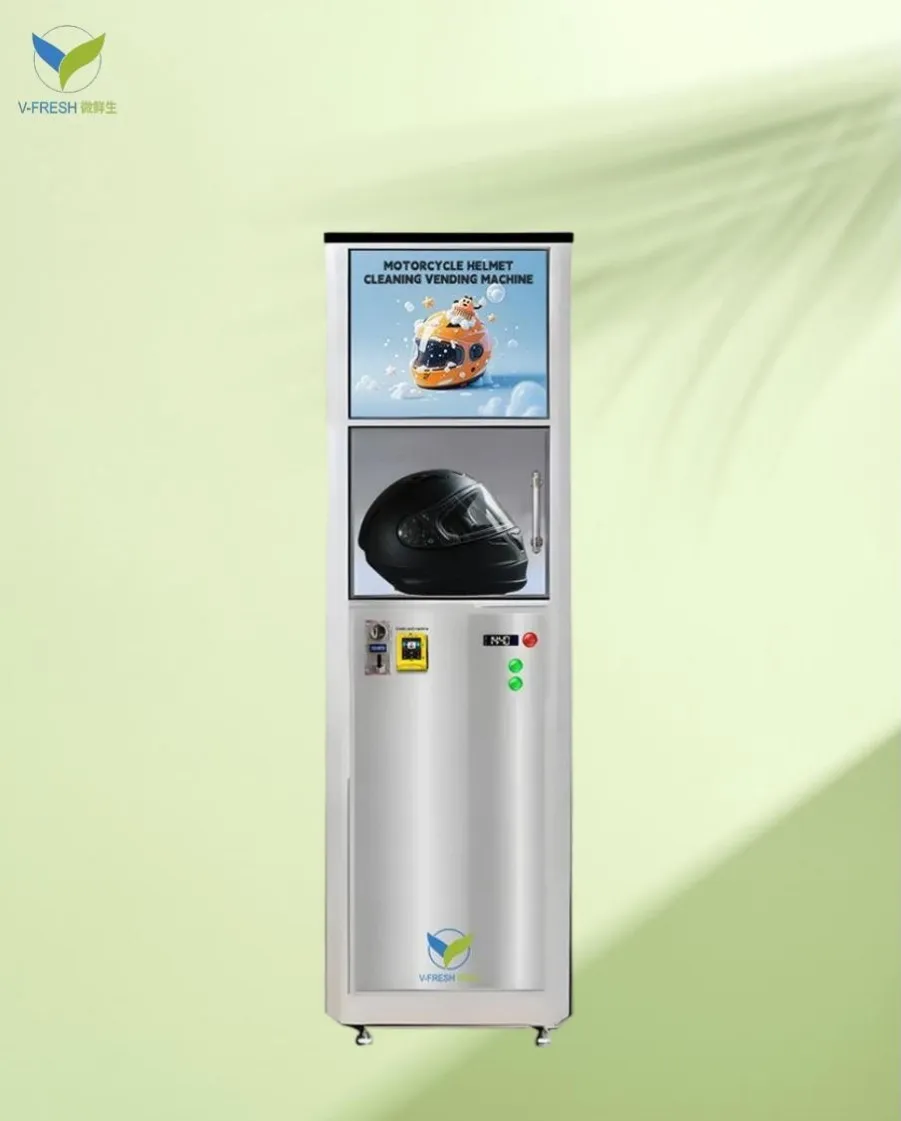
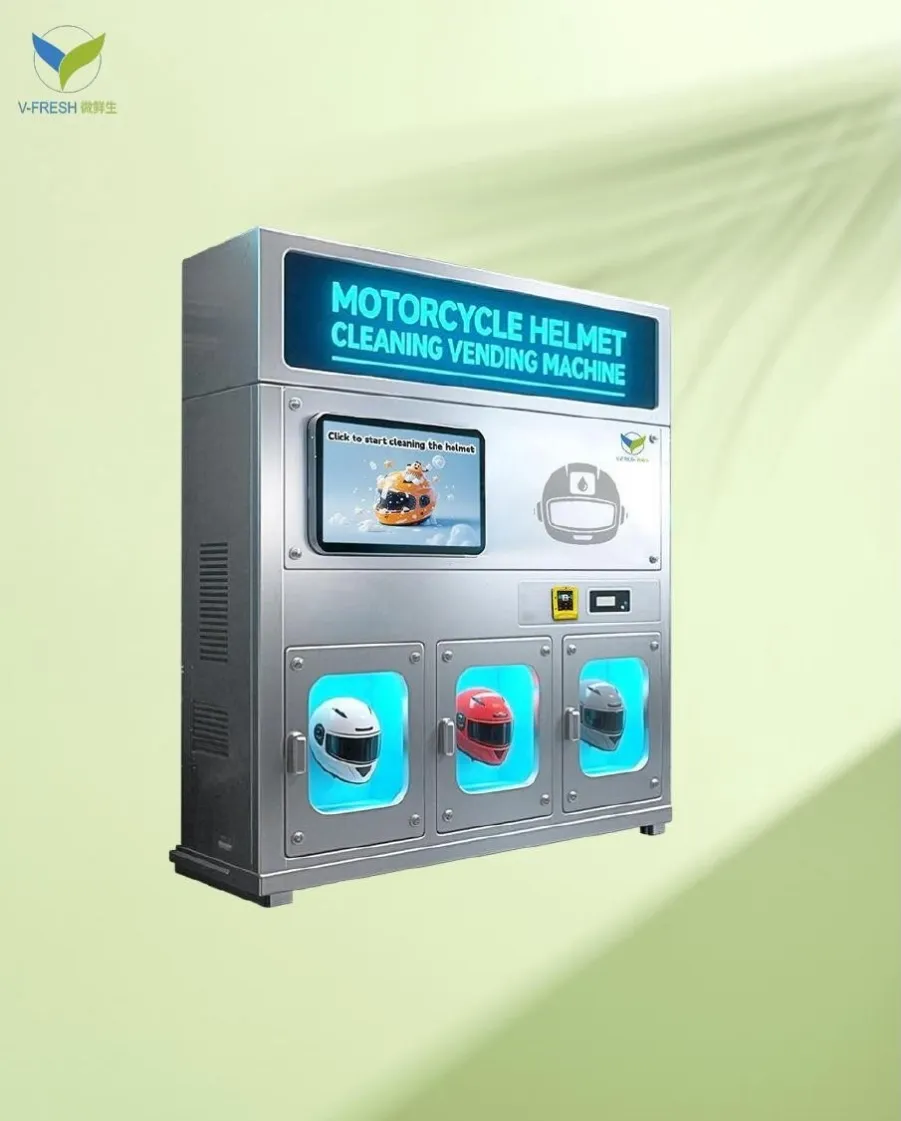
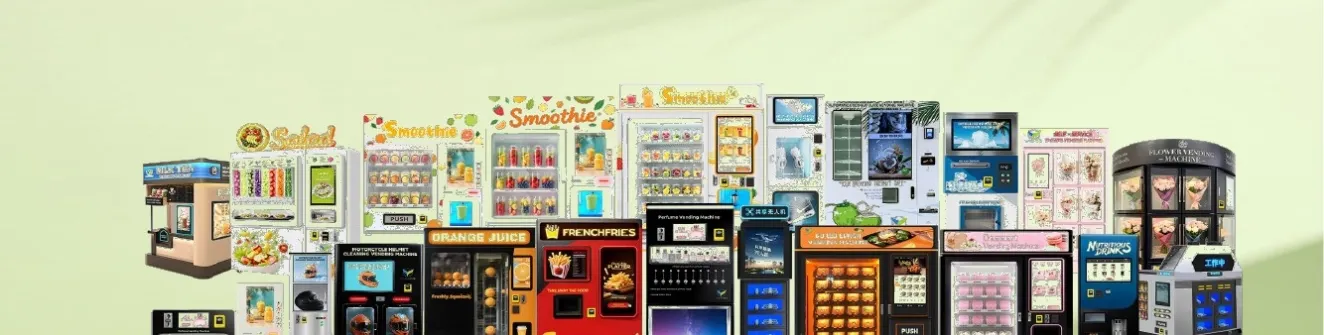
With that page, the factory can quote the right model instead of the cheapest one. If you have not chosen a model yet, browse the product range first: grid locker machines in 18 and 40 grids, wall-mounted and floor-standing perfume machines, a protein shake machine with 12 powder pipelines, and helmet cleaning machines from a 50 kg desktop unit to 300 kg three-cabin units.
Step 2. Ask for a quote and the model list
Send your one-page requirement to the factory and ask for three things: the model list that fits it, a written quote for each model, and the specification sheet for each model. The quote should state what is included — the machine, the payment system, the screen, the software, the packaging — and what is not. Ask these questions with the quote:
- Is the price per unit, and does it change with quantity?
- What payment methods are fitted on this model, and what can be added?
- What is the production time after the order is confirmed?
- What certificates are supplied for this model — ISO9001, CE and RoHS, and anything your market needs?
- What spare parts are included, and what do the common ones cost?
Prices are quoted per order — the exact figure depends on the model and the quantity — so compare quotes on the same model and the same specification, not on the headline number. A quote that is much lower than the others usually means a different specification.
Step 3. Vet the factory before you pay
Before any money moves, run the checks in How to Vet a Fresh Food Vending Machine Manufacturer Before You Commit and the manufacturer audit: company name and factory address, production photos or a video call, certificates in the factory's name, and export history in markets like yours. Ask who you will talk to after delivery, in what language, and how fast they reply — VFresh usually replies within 24 hours. If the factory is slow or vague before you pay, it will not be faster after you pay.
Step 4. Put the order in writing
Agree the order in a written contract or a confirmed order sheet. It should state, at minimum:
- The model, quantity, specifications, colour and branding — OEM and ODM orders are supported, so agree the branding now, not later.
- The total price, what is included, and the payment steps.
- The production time and the shipping terms.
- Which certificates and documents are supplied.
- Which spare parts are included.
- The warranty terms, as confirmed with the factory — warranty terms for VFresh machines are to be confirmed before you order, so get the confirmed terms written in.
- What happens if a machine arrives damaged or fails in the first weeks.
Keep the contract, the invoice and the packing list together. Your customs broker and your bank will both ask for them.
Step 5. Pay by bank transfer or through Alibaba
Buyers pay the factory by international bank transfer (T/T) or through Alibaba. The usual pattern is a deposit to start production and a balance before shipping, but agree the exact steps in writing before you transfer anything. Pay to the factory's company account — the name on the account should match the name on the contract and the invoice. Keep every payment record, and confirm with the factory in writing when each payment is received and what it triggers: deposit received means production starts; balance received means shipping starts.
Step 6. Production and the pre-shipment check
During production, ask for photos or a short video of your machines on the line. Before shipping, the factory checks every machine — ask what that check covers for your model: temperature, payment, dispensing, screen and locks. Ask for the test result for your unit, with its serial number. If something is wrong, this is the cheapest moment to fix it — a fault found in Foshan costs a part; a fault found at your site costs a part, a site visit and a lost week of sales.
Step 7. Shipping: sea, air, or a mix
Most vending machine orders travel by sea. Air freight is faster and costs far more, and it is rarely sensible for a 100 kg to 300 kg machine — the 3-cabin helmet cleaning machine weighs 300 kg, the 2-cabin 250 kg, and the floor-standing perfume machine 120 kg. Agree with the factory who arranges shipping and who pays for what, and get the shipping documents in advance: the commercial invoice, the packing list, the bill of lading or air waybill, and the certificate documents. Ask how the machines are packed, what the packed weight and size are, and whether they ship assembled or in parts.
| Cost component | What it covers | Who to ask |
|---|---|---|
| Machine price | The machine and fitted payment system, as quoted | Factory |
| Packing | Export packing, usually included — confirm it | Factory |
| Freight | Sea or air freight to your port or airport | Freight forwarder |
| Insurance | Cover for loss or damage in transit | Freight forwarder or insurer |
| Customs duty and tax | Duty and import tax in your country | Customs broker |
| Local delivery | From port to your warehouse or site | Local carrier |
| Installation | Positioning, power, first stocking | You or a local installer |
Do not invent a landed cost from a single number. Add up the components in the table for your order, and ask each party for their figure in writing. The exact total depends on the model, the quantity, the route and your country's duty — ask for a quote for the full landed cost, not only the machine price.
Step 8. Customs and import documents
Your customs broker is the most useful person in this step. Give them the commercial invoice, the packing list, the bill of lading, and the certificate documents — ISO9001, CE and RoHS for your model, plus anything your market requires — and ask them to confirm the import code, the duty rate and any food-safety or electrical-safety paperwork your country needs before the ship arrives. Do this while the goods are on the water, not after they reach the port: storage charges at the port start quickly, and a missing document is the most common reason a first shipment sits in the port for a week.
Step 9. Delivery, inspection and first run
When the machines arrive, check them before you sign for delivery: the packaging, the cabinet, the screen, and the accessories against the packing list. Photograph any damage the same day and tell the factory. Then run each machine before it goes to a site: power it up, check the temperature, test each payment method, test a sale, and check the screen and the locks. The manufacturer audit lists the same checks in full. Only then move the machine to its site — see Where to Place Your First Vending Machine for choosing the site itself.
Step 10. After-sales: the part most first-time importers skip
Agree the after-sales plan before the first order, not after the first breakdown. You need a spare parts list with prices, a named technical contact, and a clear answer to who pays for a part and its shipping in the first weeks. Hold the parts you cannot buy locally — locks, boards, screens and the parts specific to your model. Keep the factory's contact details with the machine's serial number, so a support request starts with the facts instead of a description.
Frequently asked questions
What is the minimum order quantity?
1 unit. You can import a single machine to test the factory, the shipping route and a site, and order more after it has run.
How do I pay a factory in China?
Buyers pay by international bank transfer (T/T) or through Alibaba. Agree the deposit and balance steps in writing before you pay, and pay the factory's company account.
How long does it take from order to delivery?
It depends on the model, the quantity and the shipping route. Ask the factory for the production time for your order and the forwarder for the transit time, and add time for customs. Get both figures in writing before you promise a date to a site owner.
What documents do I need for customs?
At minimum the commercial invoice, the packing list, the bill of lading or air waybill, and the certificate documents for your model. Your customs broker will confirm the import code, the duty and any extra paperwork for your country.
Do I need a customs broker?
For a first import, yes. A broker confirms the import code and duty, files the declaration and tells you what is missing before the goods arrive. It is the cheapest help in the whole process.
Should I order one machine or a full container first?
One machine. A single unit tests the factory, the packaging, the customs route and the site — and the lessons cost one machine instead of a container of them.
What if the machine arrives damaged?
Photograph the damage before you sign for delivery, keep the packaging, and contact the factory the same day. Agree before ordering who pays for repair or replacement parts in the first weeks.
Conclusion
Importing vending machines from China is a process, not a gamble: define the requirement, get a written quote, vet the factory, put the order in writing, pay by T/T or Alibaba, check the machine before it ships, and let your customs broker handle the port. Start with one unit, keep every document, and treat the first order as a test of the whole chain.
To start, send an inquiry with your country, the machine type you need and the quantity, and ask for the model list and a quote. VFresh usually replies within 24 hours. If you are still choosing what to import, read Fresh Food vs Snack Vending Machine: Which One Should You Start With?, and if you want to check the numbers first, read Vending Machine Business Profit Guide: Costs, Margins, and Payback Period.