OEM vs ODM Vending Machine: Which Manufacturing Model Is Right for Your Brand?
OEM puts your brand on a proven machine. ODM changes the machine for your brand. Compare cost, time, risk and ownership before you choose.
You are a brand owner or distributor choosing how to make your vending machine, and the factory has asked you a question you were not expecting: OEM or ODM? The two words sound similar, and sellers use them loosely — sometimes for the same thing. They are not the same, and choosing the wrong one costs either money or time: OEM on a machine that does not fit your market, or ODM on a design you could have bought off the shelf.
This guide explains both models plainly, compares them on cost, time, risk and ownership, and tells you which one fits your brand at each stage. The factory in this guide is VFresh Supply, the export channel for the VFresh intelligent equipment base in Foshan, China, run by Foshan Weixianwu Internet Service Co., Ltd. The factory covers 37,700 square metres, holds 700+ patents and software copyrights, is certified to ISO9001, and its machines carry CE and RoHS. It supports both OEM and ODM orders, the minimum order quantity is 1 unit, and buyers pay by international bank transfer (T/T) or through Alibaba.
1. What OEM means
OEM — original equipment manufacturing — means the factory builds its existing machine with your branding. The design, the parts and the tests already exist. What changes is the brand: the colour, the logo, the screen content, the packaging and the language. You are buying a proven machine and putting your name on it.
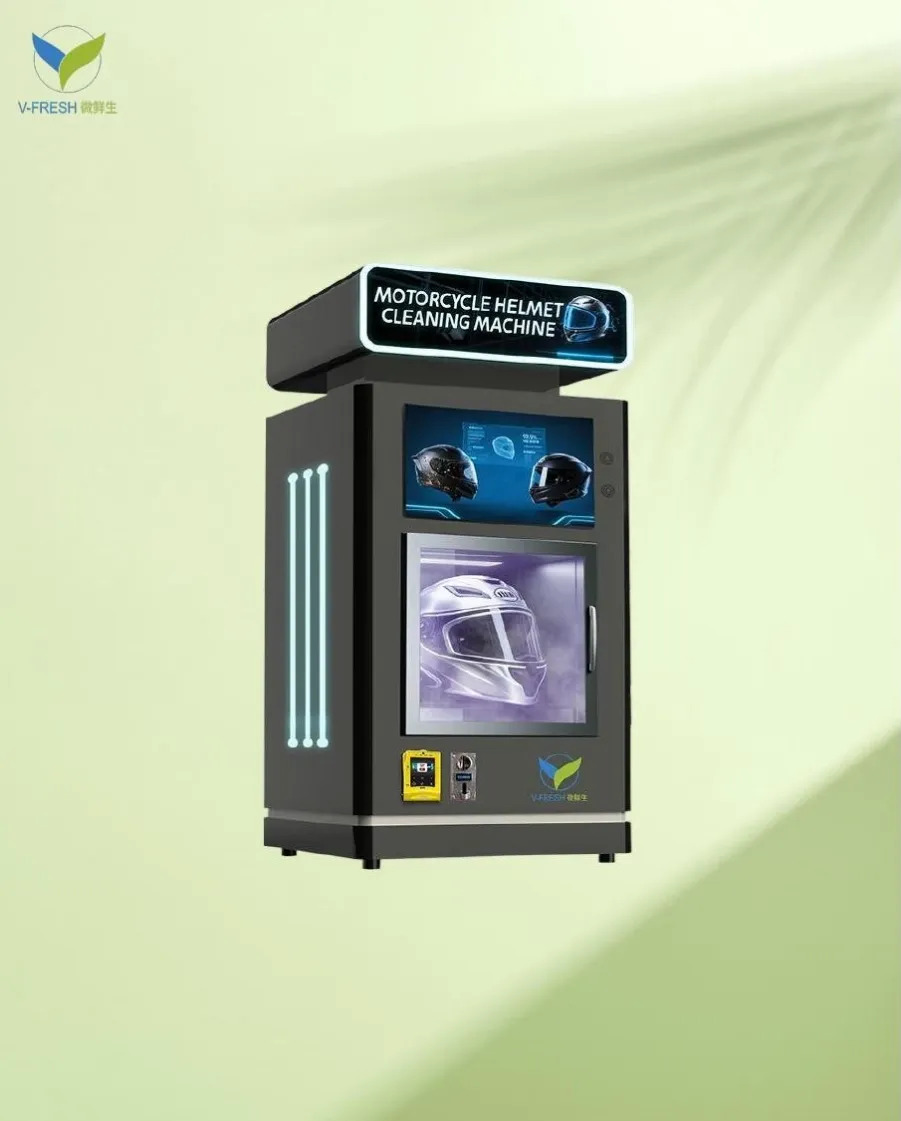
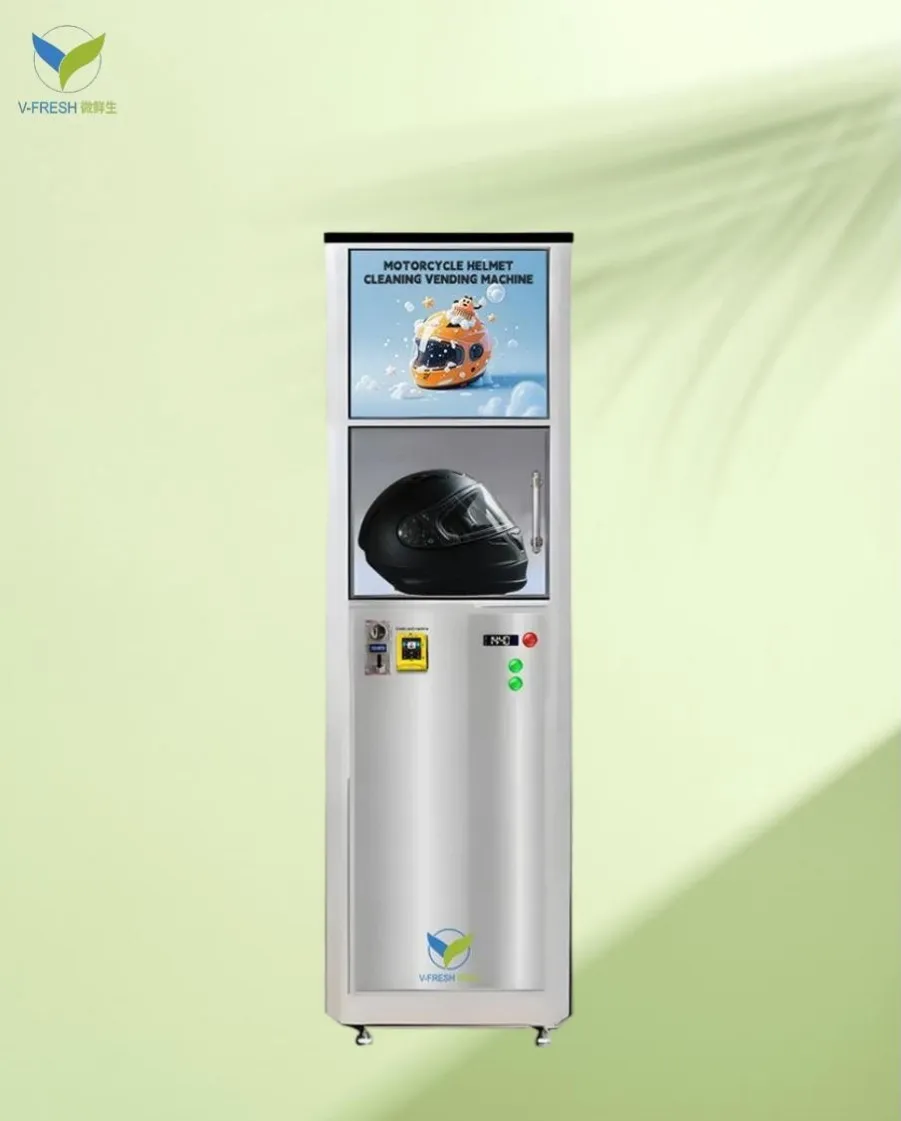
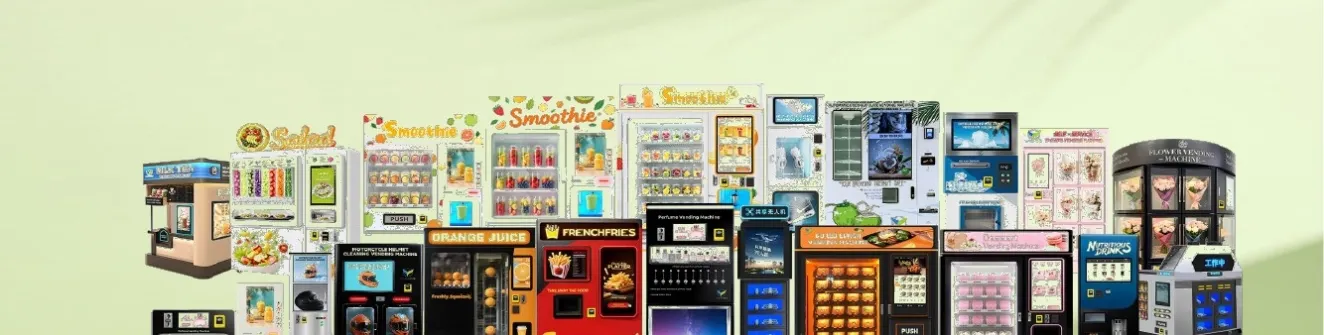
At VFresh, OEM covers the current range: grid locker machines in 18 and 40 grids, wall-mounted and floor-standing perfume machines, a protein shake machine with 12 powder pipelines, and helmet cleaning machines from a 50 kg desktop unit to 300 kg three-cabin units. If one of those machines fits your market, OEM is the faster route to a branded product.
2. What ODM means
ODM — original design manufacturing — means the factory designs the machine, or changes it, for you. The size, the layout, the functions, the screen or the software can be different from anything in the catalogue. You bring the requirement; the factory brings the design and the production. The result is a machine that exists because you asked for it.
ODM makes sense when the standard range does not fit: a size that must fit a specific space, a function your market needs that no standard machine offers, or a look that is part of your brand. It is a design project, not a purchase — it takes longer, costs more up front, and needs more decisions from you.
3. The comparison
| Factor | OEM | ODM |
|---|---|---|
| What you get | Existing machine, your branding | Machine designed or changed for you |
| Time to first unit | Shorter — production of a proven design | Longer — design, samples, testing first |
| Up-front cost | Lower — no design work to pay for | Higher — design and tooling may be charged |
| Risk | Lower — the machine is already tested in the market | Higher — a new design can have new faults |
| Fit to your market | Good if the standard range fits | Exact, if the design is right |
| Minimum order | 1 unit at VFresh — start with one branded machine | Agree it for the design; a custom design usually needs a larger first run |
| Ownership | Factory owns the design; you own the branding | Agree in writing who owns the design changes |
| Spare parts | Standard parts, already stocked | Parts for the custom design must be agreed and stocked |
4. Cost: what you actually pay for
With OEM, you pay for the machine, the branding work, and the order — and the price can be quoted for your model and quantity. With ODM, you may also pay for design time, samples, tooling, and the testing of a machine that has not been built before. Ask the factory, before you choose, which of these are charged, which are included, and what happens to the cost if the design changes after the first sample. Exact figures depend on the model and the quantity — ask for a quote for each route, and compare the two quotes on the same quantity, not on a headline price. A cheap ODM quote that leaves out tooling is not cheap.
5. Time: the hidden cost of ODM
OEM time is production time. ODM time is design time plus sample time plus production time — and every change you ask for after the first sample adds more. If you need machines for a season or a site deadline, OEM is the safer choice. If you have time and the standard range truly does not fit, ODM is worth the wait. Put the timeline in writing for either route: when the sample is ready, when it is tested, when production starts, and when it ships. For the import steps after production, see How to Import Vending Machines from China.
6. Ownership and intellectual property: agree it first
This is the part most buyers skip, and the part that causes the most trouble later. Before production, agree in writing:
- Who owns the design — the factory's standard design, and any changes made for you?
- Who owns the artwork, the screen content and the software changes?
- Can the factory sell the same custom machine to another buyer, or is it exclusive to you?
- What happens to the design and the tooling if you move to another factory?
- Who owns the brand — your name, logo and colours — and what the factory may use them for?
If it is not in the contract, it is not agreed. A factory that will not put ownership in writing is a factory to be careful with, whatever the price.
7. Quality and testing: a new design needs new tests
An OEM machine has already been built, tested and shipped — VFresh checks every machine before it leaves the factory, and you should ask for the test record for your unit. An ODM machine has not. Agree what testing the new design gets: a sample you can run at a real site, a test of refrigeration, payment, dispensing and the screen, and a second sample if the first one fails. Do not place a volume order on a design that has only been seen in a drawing. The manufacturer audit lists the same checks — refrigeration, payment, aging tests and spare parts — and they matter more, not less, for a custom design.
8. Which one should you choose?
- Choose OEM if: a machine in the standard range fits your market; you need machines soon; you want the lowest risk; or this is your first branded order. Start with one unit — the minimum order quantity is 1 — and check the branding and the build at a real site.
- Choose ODM if: no standard machine fits your space, your product or your brand; you have time for design and samples; you can afford the up-front cost; and you have agreed ownership and exclusivity in writing.
- Choose OEM first, ODM later if: you are building a new brand. Launch on a proven OEM machine, learn what your market actually wants, and then design the ODM machine around what you learned — not around what you guessed.
Frequently asked questions
What is the difference between OEM and ODM?
OEM is the factory building its existing machine with your branding. ODM is the factory designing or changing the machine for you. OEM is faster and lower risk; ODM fits your market exactly and takes longer.
Which is cheaper, OEM or ODM?
OEM is usually cheaper, because there is no design work to pay for. ODM can cost more up front — design, samples and tooling — so ask for a written quote for each route, for the same quantity, before you choose.
Can I start with OEM and move to ODM later?
Yes, and it is the usual path. Launch on a proven OEM machine, learn the market, and then design an ODM machine around what you learned.
Who owns the design of an ODM machine?
Whoever the contract says owns it. Agree in writing who owns the design changes, the artwork and the software changes, whether the design is exclusive to you, and what happens if you change factory.
What is the minimum order for OEM?
At VFresh the minimum order quantity is 1 unit, so you can order a single branded machine first and check the branding and the build before you order more.
Does ODM change the certificates?
It can. A changed machine may need new certificate documents for your model. Ask the factory which certificates apply to the custom design, and check what your market needs — see our certifications guide.
How do I choose between them?
If a standard machine fits, choose OEM. If no standard machine fits and you have the time and the budget for design and samples, choose ODM — with ownership and testing agreed in writing first.
Conclusion
OEM and ODM are not two prices for the same thing. OEM is a proven machine with your brand on it: faster, cheaper, lower risk. ODM is a machine made for your brand: a better fit, a longer wait, and a design project that needs ownership and testing agreed in writing. Most brands should start with OEM, prove the market with one unit, and design later — once they know what the market actually wants.
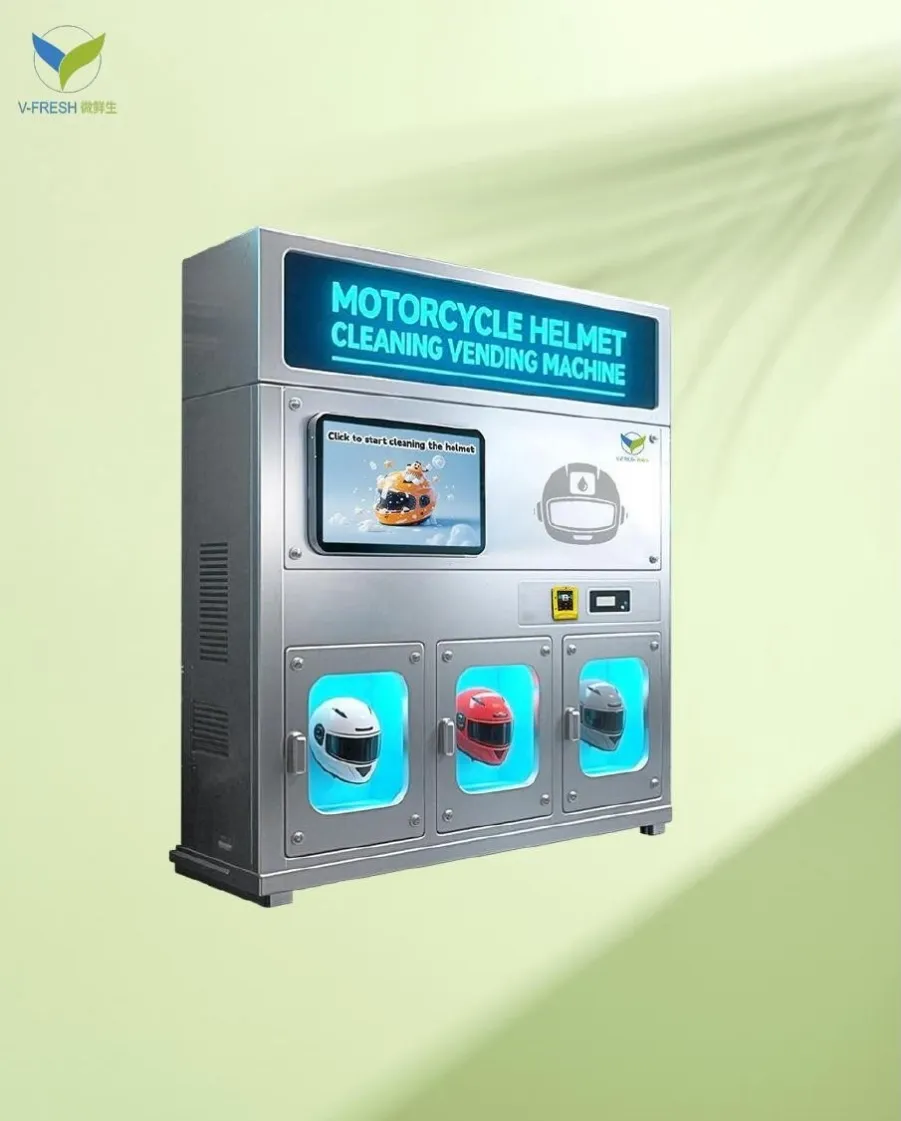
To talk through the choice for your brand, send an inquiry with your country, the machine type, the branding you need and the quantity, and ask for the model list, the OEM branding options and a quote. VFresh usually replies within 24 hours. You can also read How to Choose a Reliable Vending Machine Manufacturer for Your Brand before you decide, and look at the 3-cabin helmet cleaning machine as an example of a machine that can be branded for a service business.