What Certifications Should You Look for When Buying a Vending Machine? CE, UL, FCC, RoHS, and Food-Safety Explained
CE, UL, FCC, RoHS, ISO9001 — what each one covers, which markets need which, and how to check a certificate is real before you order.
You are a distributor about to import vending machines, and the factory has sent you a set of certificates with names you half-recognise: CE, UL, FCC, RoHS, ISO9001. Your customs broker is asking which ones apply to your market. Your customer is asking whether the machine is certified. And you are not sure which of these documents actually matter — or how to tell a real certificate from a piece of paper with a logo on it.
That uncertainty is normal, and it is also where first-time importers lose the most time. A missing certificate can hold a shipment at the port. A wrong one can mean the machine cannot legally be sold in your market. This guide explains each certificate in plain language: what it covers, which markets need it, and how to check it before you order.
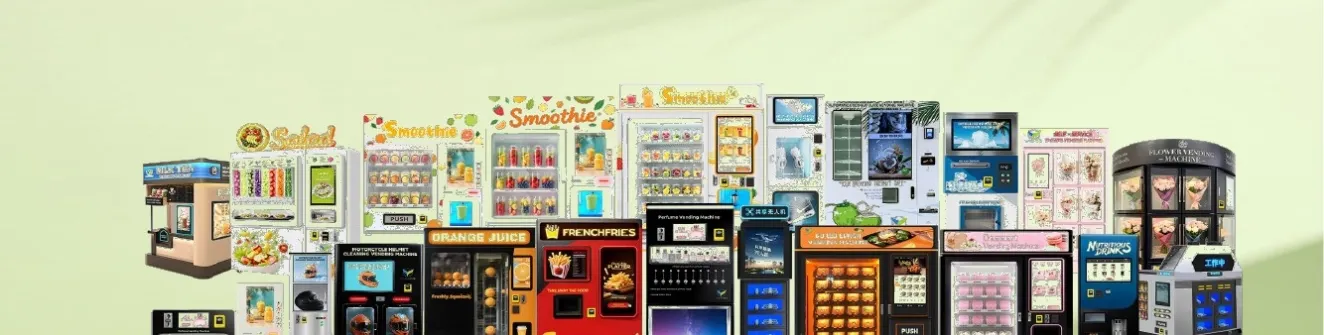
VFresh Supply is the export channel for the VFresh intelligent equipment base in Foshan, China, run by Foshan Weixianwu Internet Service Co., Ltd. The factory is certified to ISO9001, and its machines carry CE and RoHS. This guide explains what those mean — and what to ask for when your market needs more.
1. ISO9001: the factory's quality system
ISO9001 is a certificate for the factory, not for a machine. It says the factory runs a documented quality management system: its processes are written down, checked, and improved. When a factory is certified to ISO9001, it means there is a system behind the product — incoming parts are checked, production is controlled, and problems are recorded and fixed.
What to ask for: the ISO9001 certificate in the factory's name, with a current date. Check that the name on the certificate matches the name on the contract and the invoice. A certificate in a different company's name does not certify your factory.
2. CE: the mark for the European market
CE is the conformity mark for products sold in the European Economic Area. For a vending machine, it covers electrical safety, electromagnetic compatibility, and other requirements that depend on the machine. A CE mark says the manufacturer has assessed the product against the applicable European rules and keeps the technical documents to prove it.
What to ask for: the CE documents for your model — not a CE mark on a different model. Ask which European rules the documents cover, and who issued them. CE is a declaration by the manufacturer, backed by test reports; ask to see the reports behind the mark if your customer or your customs broker asks for them.
3. UL: the safety listing for North America
UL is a safety certification widely recognised in the United States and Canada. A UL listing means the product was tested by UL, or by a laboratory recognised for the purpose, against North American safety standards, and that the factory is checked so that production keeps matching the tested sample. Many buyers, site owners and insurers in North America ask for a UL listing before they accept a machine.
What to ask for: whether your model is UL listed, and the listing number. Check the scope of the listing — which model, which parts — because a listing for one model is not a listing for another. If your model is not UL listed, ask what is needed to get it listed, how long it takes, and what it costs. Do not assume a CE mark covers North America; it does not.
4. FCC: radio and electromagnetic rules for the United States
FCC rules cover the radio and electromagnetic emissions of electronic equipment sold in the United States. A vending machine with Wi-Fi, Bluetooth, a card reader or a mobile connection may need FCC compliance for the radio parts. The FCC mark or declaration covers the emissions, not the electrical safety — it is a different check from UL, and a machine may need both.
What to ask for: whether the wireless and electronic parts in your model are FCC compliant, and the documents that show it. If the machine has no wireless parts, ask the factory to confirm that in writing, so your broker does not ask for a document that does not apply.
5. RoHS: what is inside the machine
RoHS restricts certain hazardous substances in electrical and electronic equipment — lead, mercury, cadmium and others. It is a materials rule, not a safety test: it says what the machine is made of. VFresh machines carry RoHS, and the rule matters in the EU and in other markets that have adopted similar restrictions.
What to ask for: the RoHS documents for your model. If your market has its own version of the rule, ask the factory whether the same documents cover it, or what else is needed.
6. Food safety: the documents for machines that touch food
For fresh food, pizza and protein shake machines, the parts that touch food need their own attention. Food-safety requirements are set by your country and your local food authority, and they differ from place to place. There is no single worldwide food-safety certificate for a vending machine, so the right approach is to ask two questions: what does your local authority need for the parts that touch food, and what documents can the factory supply for your model?
Ask the factory for the food-safety documents for the food-contact parts of your model, and give your local authority the documents before you order — not after the machine arrives. Read the fresh food checks in How to Vet a Fresh Food Vending Machine Manufacturer and the pizza guide, Pizza Vending Machine for Sale, for how food safety connects to the cold chain and the bake cycle.
7. Which certificates does your market need?
| Market | Ask for | Notes |
|---|---|---|
| European Union | CE, RoHS, ISO9001 (factory) | CE documents must be for your model |
| United States | UL, FCC (if wireless), RoHS where required | UL listing is often asked by buyers and insurers |
| Canada | UL or equivalent listing, FCC where relevant | Confirm the exact listing your province needs |
| Other markets | ISO9001, CE, RoHS as a starting point | Ask your customs broker what else applies |
| Food machines, any market | Food-safety documents for food-contact parts | Your local food authority decides what is needed |
The table is a starting point, not a legal answer. Rules change, and they differ by country and by machine. Your customs broker and your local authority are the ones who can confirm what your shipment needs — ask them while the goods are still in production, not when they reach the port. See How to Import Vending Machines from China for the import steps.
8. How to check a certificate is real
A certificate is only useful if it belongs to your factory and your model. Check these five things on every document you receive:
- Name. The factory or company name on the certificate matches the name on the contract and the invoice.
- Model. The model on the certificate is the model you are buying. A certificate for a different model is not a certificate for yours.
- Date. The certificate is current, not expired, and covers the production you are ordering.
- Scope. The certificate states what it covers — which product, which standard, which parts.
- Issuer. The certificate names the body that issued it, and the body can be checked. If the issuer cannot be found, treat the document with care.
Keep the certificate documents with the contract, the invoice and the packing list. Your customs broker will ask for them, and a buyer who asks for them later will want them quickly.
Frequently asked questions
Does a VFresh machine have CE and RoHS?
Yes. VFresh machines carry CE and RoHS, and the factory is certified to ISO9001. Ask for the documents for your model when you order, so you have the right model named on the right document.
Do I need UL for the United States?
Many buyers, site owners and insurers in the United States ask for a UL listing. Check whether your model is UL listed, and if it is not, ask what is needed to get it listed, how long it takes and what it costs.
Is CE enough for the United States?
No. CE is for the European market. The United States has its own rules — UL for safety and FCC for radio and electromagnetic emissions where they apply. A machine may need both CE and UL if it is sold in both markets.
What is RoHS?
RoHS restricts certain hazardous substances in electrical and electronic equipment. It is a materials rule — it says what the machine is made of — and it matters in the EU and in other markets with similar rules.
What food-safety documents do I need?
It depends on your country and your local food authority. Ask the authority what is needed for the parts that touch food, and ask the factory for the food-safety documents for your model before you order.
How do I know a certificate is for my machine?
Check the name, the model, the date, the scope and the issuer. The certificate must name your factory and your model, and be current. If any of those do not match, ask the factory before you pay.
What if my market needs a certificate the factory does not have?
Ask the factory whether it can be obtained for your model, how long it takes and what it costs — and ask your customs broker what is truly required. Do not order until you know the answer.
Conclusion
Certificates are not decoration. They are the documents that let your machine cross a border, enter a site and be sold in your market. Start with ISO9001 for the factory, CE and RoHS for the model, and UL and FCC where your market needs them — then add the food-safety documents for any machine that touches food. Check every document against the name, the model, the date and the issuer, and get the documents before you pay, not after the machine ships.
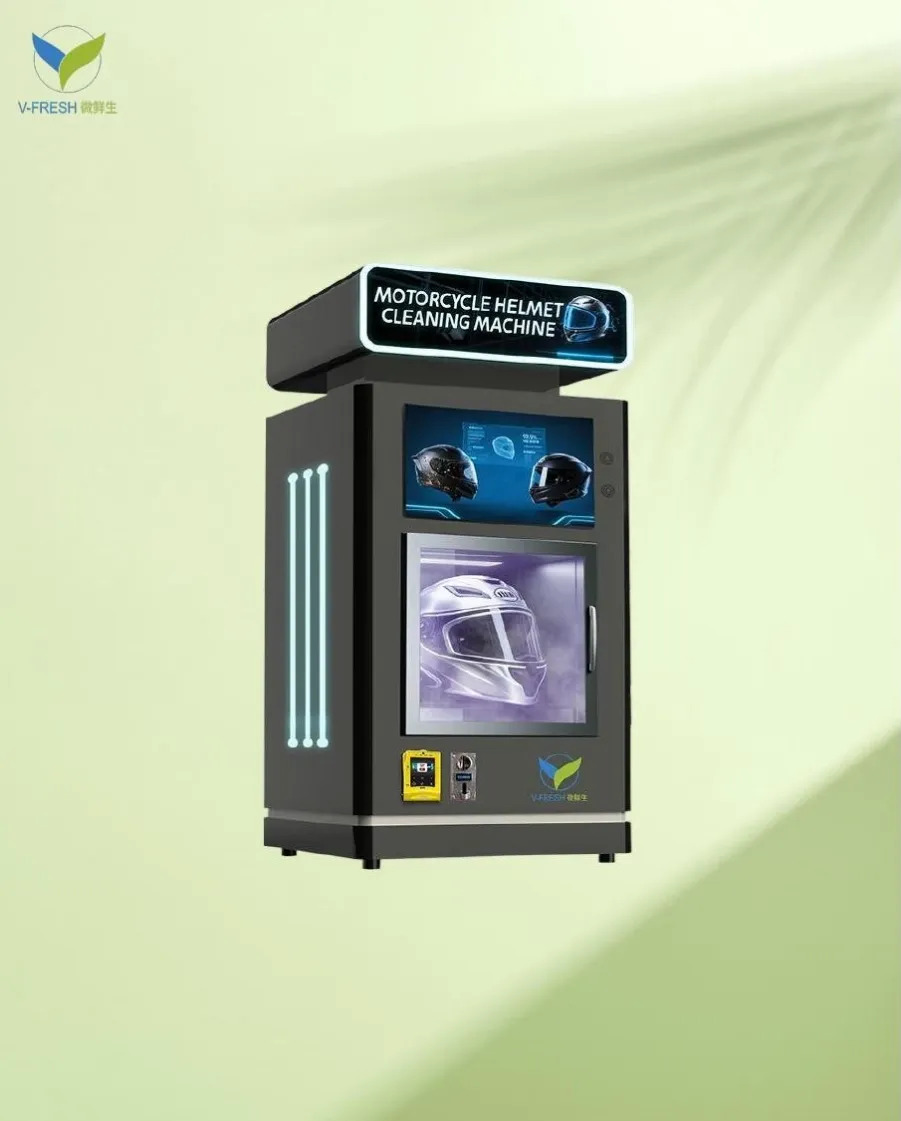
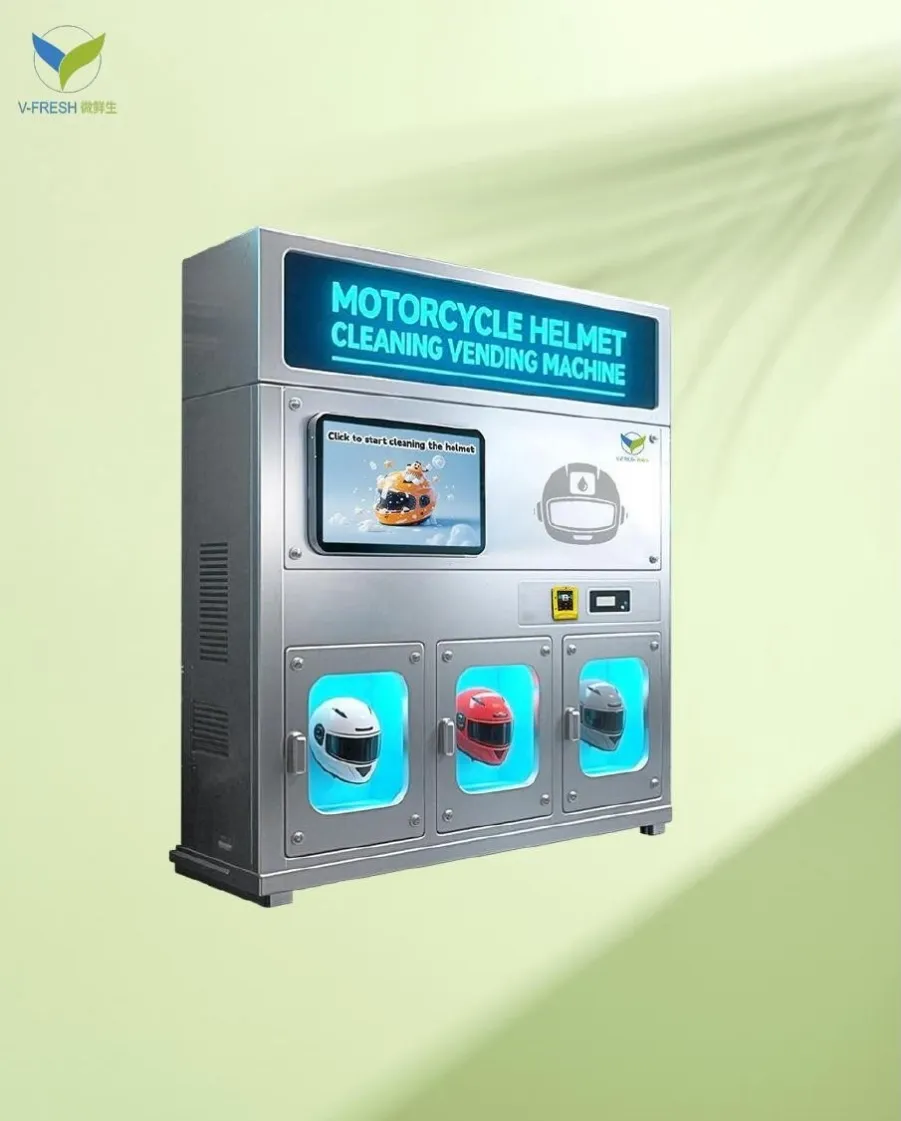
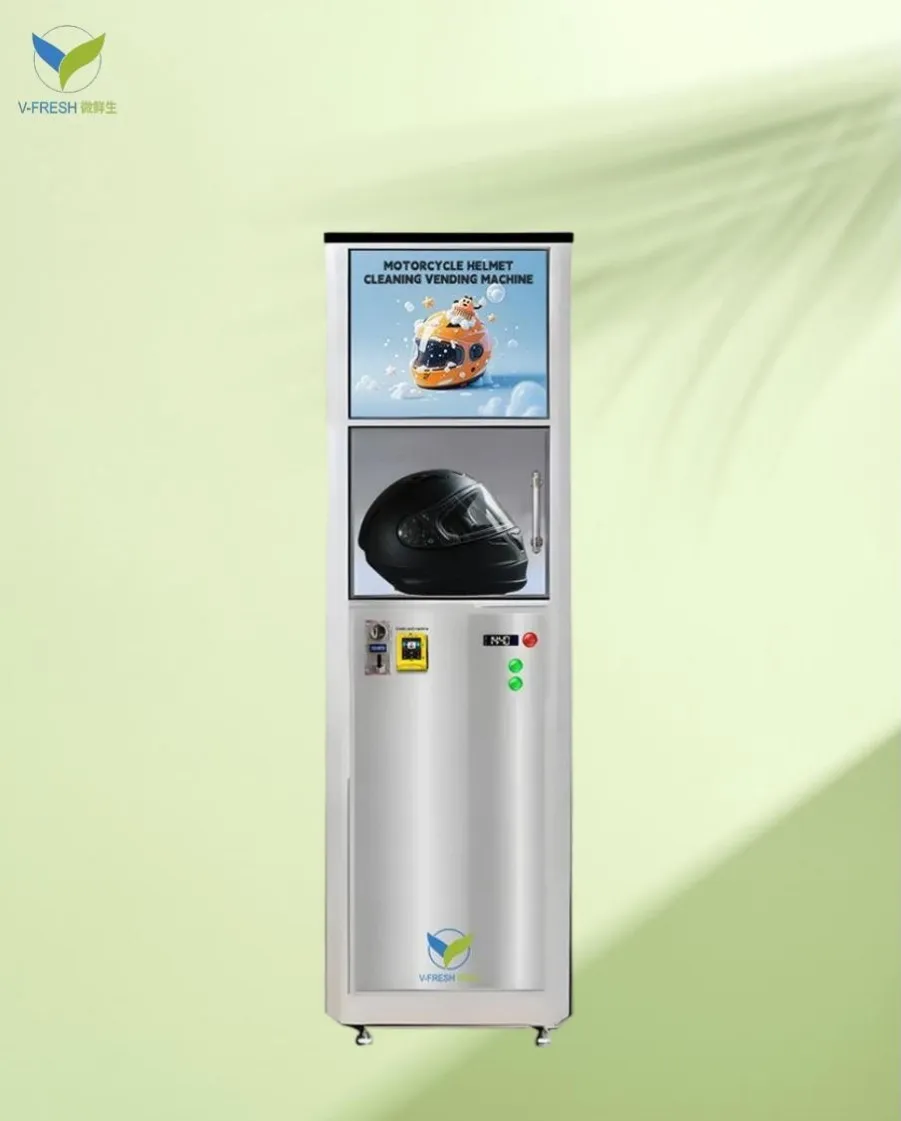
To get the certificate documents for a model, send an inquiry with the model type, your country and your quantity, and ask for the ISO9001, CE and RoHS documents for that model. VFresh usually replies within 24 hours. You can also look at the 1-cabin helmet cleaning machine and the 40-grid locker machine in the range, and read the manufacturer audit for the full checklist.